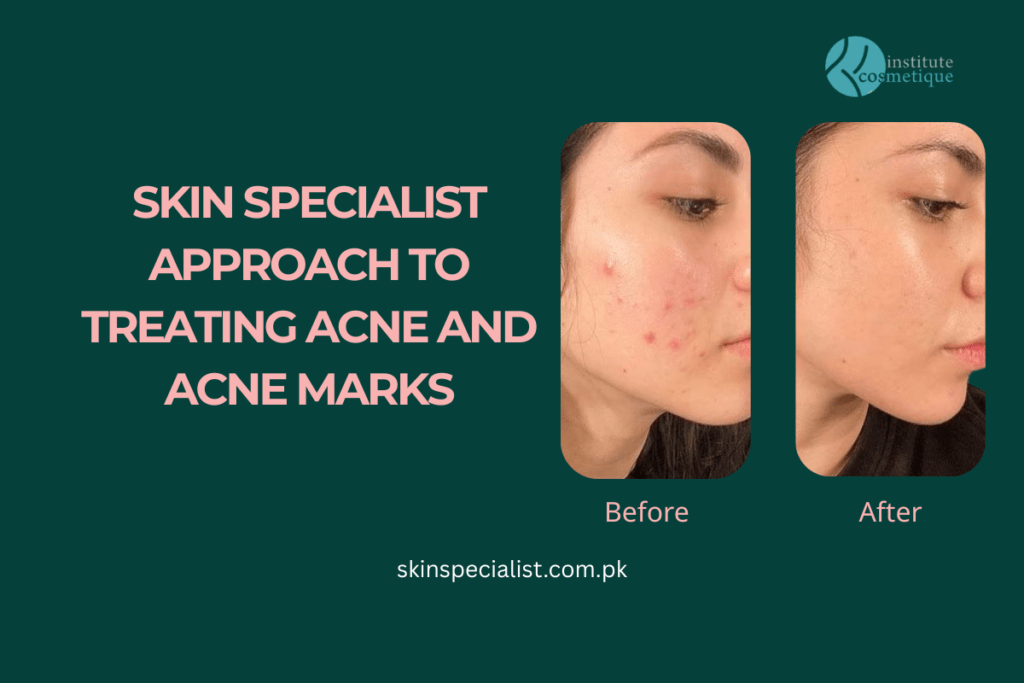
Acne is a skin condition that affects people of all ages and skin types. It often starts as a few small breakouts but can become a long term concern if ignored or treated incorrectly. Many individuals rely on random products or home tips that offer short relief but fail to solve the real issue. A professional method focuses on understanding the skin first and then choosing the right solution. This article explains how skinspecialist care helps manage breakouts and post acne discoloration in a safe and effective way while protecting overall skin health.
Understanding Acne From a Professional Skin Care Perspective
What Causes Acne Formation
Acne develops when excess oil mixes with dead skin cells and blocks pores. Bacteria grow inside clogged pores and trigger inflammation. Hormonal imbalance, stress, pollution, poor diet, and unsuitable products increase this process. Without proper guidance, acne can spread and leave marks.
Common Types of Acne Seen in Clinics
Skin professionals treat whiteheads, blackheads, inflamed pimples, painful nodules, and cystic breakouts. Each form behaves differently and needs a specific treatment plan. Treating all acne in the same way often leads to irritation or worsening of the condition.
How Acne Marks Develop
Acne marks appear after inflammation heals. They usually show as brown, red, or dark patches. Sun exposure and delayed treatment make these marks last longer. Early care reduces their intensity.
For more details also read this:https://skinspecialist.com.pk/
Importance of Accurate Skin Assessment
Skin Type and Condition Analysis
A trained specialist checks oil levels, hydration, sensitivity, and pore condition. This assessment helps avoid products that clog pores or irritate the skin.
Reviewing Lifestyle and Habits
Diet, sleep, stress, makeup use, and skincare habits affect acne severity. Understanding these factors allows better control over future breakouts.
Creating a Personalized Care Plan
Each person receives a tailored plan instead of a general solution. This approach reduces side effects and improves results.
Medical Treatments Used for Active Acne
Topical Treatment Options
Specialists recommend creams and gels that reduce oil, control bacteria, and calm redness. Common ingredients include salicylic acid, azelaic acid, niacinamide, sulfur, and retinoids. These ingredients work gradually and safely under guidance.
Oral Support for Persistent Acne
Moderate to severe acne may need oral support to reduce inflammation or regulate hormones. These treatments require monitoring to ensure safety.
Managing Hormonal Breakouts
Hormonal acne often appears around the chin and jawline. Treatment focuses on balancing internal triggers while protecting skin health.
In Clinic Procedures for Acne Control
Chemical Peels for Clearer Skin
Professional peels remove dead skin buildup and reduce clogged pores. They also improve skin texture and reduce frequent breakouts.
Safe Extraction of Blocked Pores
Specialists perform controlled extraction using sterile tools. This reduces infection risk and prevents marks.
Light Based Therapies
Light treatments target acne causing bacteria and reduce oil production. These sessions support faster healing.
Medical Grade Facials
These facials clean pores deeply and soothe irritated skin. They support ongoing treatment and improve skin clarity.
Managing Acne Marks Effectively
Identifying Different Types of Marks
Post acne marks can be red, brown, or dark. Each type responds differently to treatment and needs proper evaluation.
Brightening Treatments for Discoloration
Specialists use targeted solutions that fade marks gradually. Helpful ingredients include vitamin C, kojic acid, alpha arbutin, licorice extract, and tranexamic acid.
Role of Sun Protection
Sun exposure deepens marks. Daily sunscreen use plays a major role in fading discoloration and preventing new marks.
Treating Acne Scars With Advanced Care
Difference Between Marks and Scars
Marks affect skin color while scars change skin texture. Scars require advanced methods for improvement.
Microneedling for Texture Improvement
Microneedling stimulates collagen production and smoothens uneven skin.
Laser Support for Deep Scars
Laser therapy helps renew skin layers and soften deep scars over time.
Subcision for Indented Scars
This method releases tight scar tissue beneath the skin and improves surface smoothness.
Daily Skincare Routine Suggested by Skin Experts
Cleansing the Right Way
Use a gentle cleanser twice daily to remove oil and dirt without stripping moisture.
Using Treatment Products Correctly
Apply treatment products on clean skin in small amounts. Follow the advised frequency to avoid irritation.
Moisturizing Acne Prone Skin
Lightweight moisturizers keep skin balanced and prevent excess oil production.
Consistent Sun Protection
Daily sunscreen prevents pigmentation and supports treatment results.
Ingredients Commonly Recommended for Acne Care
Helpful Ingredients
- Salicylic acid
- Niacinamide
- Zinc
- Tea tree extract
- Hyaluronic acid
- Ceramides
Ingredients to Avoid
Avoid heavy oils, harsh scrubs, strong fragrances, and alcohol based products as they irritate acne prone skin.
Benefits of Professional Acne Care
- Reduced inflammation
- Fewer breakouts
- Lighter acne marks
- Improved skin texture
- Lower scarring risk
- Long term skin balance
Lifestyle Guidance for Clearer Skin
Diet and Skin Health
A balanced diet with low sugar and healthy fats supports clear skin.
Stress Management
Stress increases oil production. Relaxation techniques support skin healing.
Daily Habits That Harm Skin
Touching the face often, using dirty makeup tools, and sleeping with makeup worsen acne.
Comparison Table: Self Care vs Professional Care
| Feature | Self Care Methods | Professional Skin Care |
| Diagnosis | Guess based | Skin analysis |
| Safety | Uncertain | Clinically guided |
| Results | Temporary | Long lasting |
| Mark Control | Limited | Effective |
| Scar Prevention | Low | High |
| Customization | None | Personalized |
Key Summary
Clear skin requires patience, consistency, and the right guidance. Professional care focuses on treating the cause rather than hiding symptoms. With correct diagnosis, medical treatments, and supportive skincare, acne becomes manageable and marks fade safely. Choosing expert care from skinspecialist helps protect skin health while improving confidence and long term results.
Frequently Asked Questions
How soon can results be seen?
Mild acne improves within weeks. Severe cases need consistent care for several months.
Do acne marks disappear fully?
With proper treatment and sun protection, marks fade significantly over time.
Is professional acne treatment safe?
Yes. Treatments follow skin assessment and medical guidance.
Can adults develop acne?
Yes. Stress, hormones, and lifestyle commonly cause adult acne.
Should skincare stop during treatment?
No. A gentle routine supports healing and prevents irritation.