
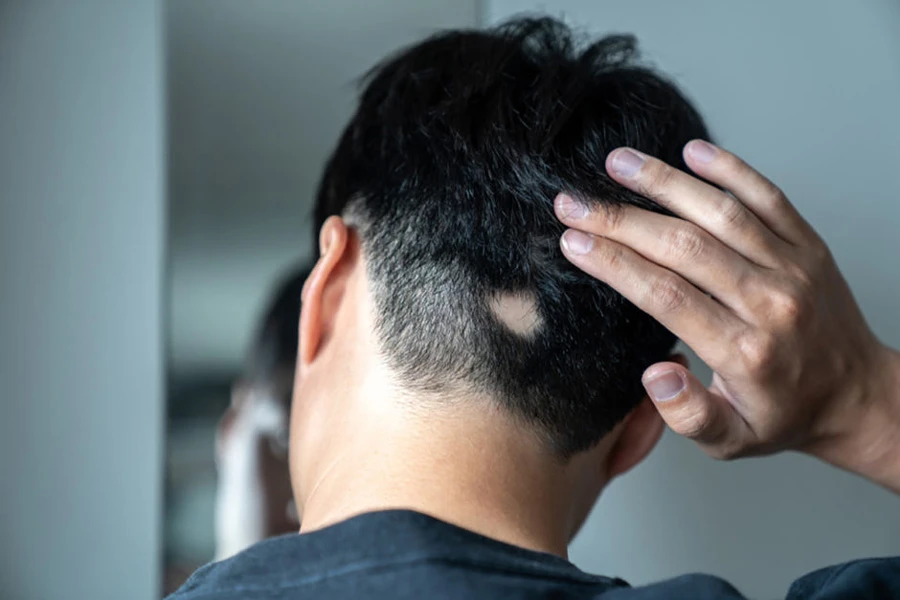
Alopecia Areata is a common condition that causes hair loss in small patches. It happens when the immune system attacks healthy hair follicles by mistake. Many people who develop this condition become worried about their appearance and future hair growth. One of the most common questions they ask is whether hair can grow back after Alopecia Areata.
The good news is that hair often grows back. However the process can be different for each person. Some people see regrowth within a few months while others may need more time and treatment.
Hair Regrowth in Alopecia Areata
Hair follicles usually remain alive even after hair falls out. This is an important reason why regrowth is possible. Alopecia Areata does not destroy the hair follicles. Instead, it interrupts the normal hair growth cycle.
When the immune attack slows down or stops, the follicles can begin producing hair again. This allows new hair to grow in the affected areas.
Can Hair Grow Back Naturally?
Yes. Hair can grow back naturally in many cases. Some people experience regrowth without any medical treatment. Small bald patches often show signs of recovery within several months.
The new hair may look different at first. It can appear white, thin, or softer than the original hair. Over time the hair often returns to its normal color and texture.
Natural regrowth is more common in people who have mild cases of Alopecia Areata. The chances are usually better when only a few small patches are present.
Aspects That Affect Hair Regrowth
Several factors can influence how well hair grows back after Alopecia Areata.
Size of the Bald Patches
People with small patches often have a better chance of regrowth. Large areas of hair loss may take longer to recover.
Duration of Hair Loss
Hair that has been missing for a short period may return more quickly. Long-term hair loss can be more challenging.
Age and Overall Health
Good overall health may support better hair growth. Age can also play a role in how the body responds to treatment.
Severity of the Condition
Mild Alopecia Areata treatment often responds better than severe forms of the disease. Extensive hair loss may require ongoing treatment and monitoring.
What Does Hair Regrowth Look Like?
Hair regrowth usually begins slowly. Many people notice fine hairs appearing in the bald patches. These hairs may be light in color at first.
As the follicles become stronger, thicker hair starts to grow. The affected areas gradually blend with the surrounding hair.
The process requires patience. Hair growth is slow and visible improvement may take several months.
Can Hair Fall Out Again?
Yes. Alopecia Areata is an unpredictable condition. Some people experience complete regrowth and never have another episode. Others may develop new patches of hair loss later.
Hair can grow back and then fall out again if the immune system becomes active once more. This cycle can repeat in some individuals.
Even when hair returns, regular follow-up with a healthcare professional may help manage future flare-ups.
Treatments That May Support Hair Regrowth
Although some people recover naturally, treatment can improve the chances of regrowth.
Corticosteroid Therapy
Doctors often use corticosteroids to reduce inflammation around hair follicles. These medications can help restart hair growth in many patients.
Topical Treatments
Certain creams and solutions may stimulate hair follicles and encourage regrowth. These treatments are commonly used for mild to moderate cases.
Immunotherapy
In some cases, doctors use treatments that alter the immune response. This approach may help people with more extensive hair loss.
Supportive Hair Care
Gentle hair care practices can protect existing hair and improve scalp health. While they do not cure Alopecia Areata, they may support the recovery process.
How Long Does It Take for Hair to Grow Back?
The timeline varies from person to person. Some people notice regrowth within three to six months. Others may need a year or longer before significant improvement occurs.
Hair growth depends on the severity of the condition and the body’s response to treatment. Consistency and patience are important throughout the process.
Moving Forward During Hair Recovery
Hair loss can affect confidence and emotional well-being. It is important to remember that many people with Alopecia Areata experience successful regrowth.
Support from family, friends, and healthcare professionals can make the journey easier. Focusing on overall health and following medical advice may improve outcomes.
A Quick Recap
Hair can grow back after Alopecia Areata in many cases. The condition does not permanently damage hair follicles. This gives the follicles the ability to produce new hair when the immune attack decreases. Some people experience natural regrowth while others benefit from treatment. The speed and amount of regrowth vary from person to person. Although hair can sometimes fall out again, many individuals achieve noticeable improvement and regain their hair over time.
Your Questions Answered
1. Can Alopecia Areata hair grow back completely?
Yes. Many people experience complete hair regrowth, especially when the condition is mild.
2. How long does it take for hair to grow back after Alopecia Areata?
Hair may start growing back within a few months but full regrowth can take longer.
3. Is hair regrowth permanent after Alopecia Areata?
Not always. Some people experience future episodes of hair loss even after successful regrowth.
4. What does new hair look like after Alopecia Areata?
New hair is often thin or white at first. It usually becomes thicker and returns to its normal color over time.
5. Can hair grow back without treatment?
Yes. Many people with mild Alopecia Areata experience natural hair regrowth without medical treatment.