
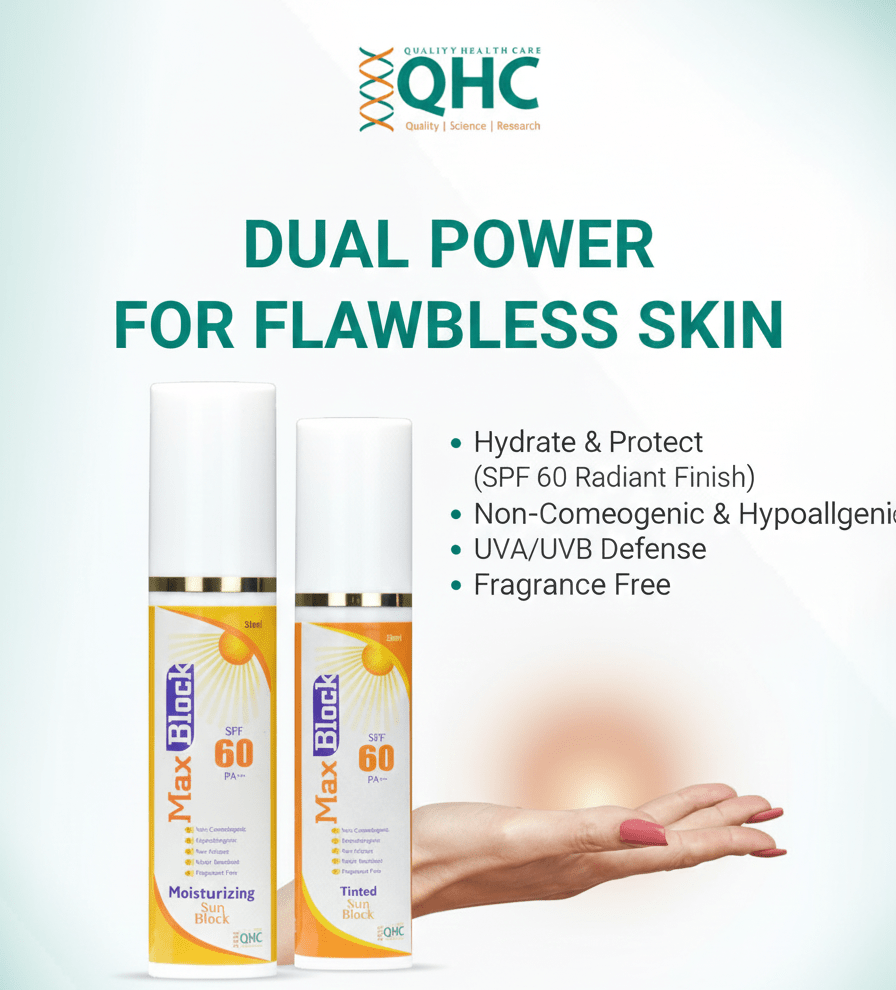
Sun protection plays a key role in keeping the skin fresh, bright, and healthy. People spend long hours outdoors, so the skin faces strong sunlight that affects its tone and texture. When you choose the right routine and the right products, your skin stays safe from UV rays. Many people search for strong protection and try to find the best sunblock in pakistan to keep their skin healthy throughout the year. QHC guides people with simple and trusted skincare choices so they can protect their skin with confidence.
This article explains every part of sun protection. You will learn about ingredients, types of formulas, how to apply products, and habits that keep your skin safe. The language stays easy so you can follow each step with comfort.
Understanding Sun Protection Solutions for Healthy Skin
Why Sun Protection Matters
Sunlight has two types of rays. UVA rays make the skin age faster and cause dark spots. UVB rays cause burns and redness. When the skin absorbs too much sunlight, it loses moisture, brightness, and strength. Sun protection keeps your skin clear, soft, and even.
How Sun Protection Works
Sun protection products create a shield on the skin. This shield blocks or absorbs UV rays and keeps the skin safer during outdoor exposure. These products stay light on the skin and work well with your daily routine.
Types of Sun Protection Solutions for Healthy Skin
Mineral Based Protection
Mineral formulas use natural filters like zinc oxide and titanium dioxide. These filters sit on the skin and reflect UV rays. They work well for sensitive skin.
Chemical Based Protection
Chemical formulas absorb UV rays and turn them into heat. They spread easily and suit daily use.
Hybrid Protection
Hybrid formulas mix mineral and chemical filters. They offer balanced protection with a smooth finish.
Spray Based Protection
Sprays help cover large areas. They suit people who stay active and spend long hours outdoors.
Tinted Protection
Tinted formulas offer sun protection and light coverage. They help even the skin tone and reduce dullness.
Choosing Sun Protection Solutions for Healthy Skin
For Oily Skin
Choose lightweight gel formulas. Look for oil free products that prevent shine.
For Dry Skin
Pick creamy and hydrating formulas. Ingredients like hyaluronic acid help lock moisture.
For Sensitive Skin
Use mineral based products. They stay gentle and calm the skin.
For Combination Skin
Choose light textures that balance dry and oily zones.
For Acne Prone Skin
Pick non comedogenic formulas. They prevent clogged pores and keep the skin clear.
Ingredients in Sun Protection Solutions for Healthy Skin
Zinc Oxide
A mineral filter that protects the skin and reduces redness.
Titanium Dioxide
A gentle filter that blocks UV rays and suits all skin types.
Niacinamide
Improves skin tone and reduces dullness.
Vitamin C
Brightens the skin and helps fight dark spots.
Hyaluronic Acid
Keeps the skin hydrated and soft.
Aloe Vera
Soothes irritation and cools the skin.
Chamomile Extract
Calms sensitive skin and reduces discomfort.
These ingredients work well when used regularly. QHC uses ingredients that build a smooth experience and support healthy skin.
How to Use Sun Protection Solutions for Healthy Skin
Application Steps
- Clean your face with a gentle wash.
- Pat the skin dry.
- Take a small amount of sunscreen.
- Apply on face, neck, and hands.
- Spread evenly without rubbing too hard.
- Let it settle for a few minutes.
How Much to Use
Use the two finger method. Place two lines of sunscreen on your fingers and apply this amount to the face and neck.
When to Reapply
Reapply every two to three hours if you stay outdoors. Reapply after sweating or swimming.
Areas People Often Miss
- Back of the neck
- Ears
- Hands
- Around the eyes
Protecting these areas keeps your skin safe from sun damage.
Benefits of Sun Protection Solutions for Healthy Skin
Prevents Skin Damage
Regular protection reduces sunburn, redness, and irritation.
Controls Dark Spots
Sun protection helps reduce pigmentation and uneven tone.
Keeps Skin Bright
UV rays cause dullness. A good routine keeps the skin bright and fresh.
Slows Aging Signs
Fine lines and wrinkles appear faster due to sunlight. Protection keeps the skin youthful.
Improves Skin Strength
Safe formulas support the skin barrier and reduce dryness.
Sun Protection Solutions for Healthy Skin in Different Seasons
Summer
Use high SPF and reapply often.
Winter
Use hydrating formulas to avoid dryness.
Monsoon
Pick water resistant products to stay protected in humid weather.
Lifestyle Tips for Sun Protection Solutions for Healthy Skin
Use Protective Clothing
Wear long sleeves, hats, and scarves during strong sunlight.
Avoid Peak Sun Hours
Stay indoors during peak hours when sunlight is strongest.
Use Sunglasses
Protect your eyes and the skin around them.
Stay Hydrated
Drink water to keep the skin healthy and calm.
Comparison Table: Types of Sun Protection Solutions
| Type | Best For | Texture | Strength | Key Benefit |
| Mineral | Sensitive skin | Thick | Strong | Gentle protection |
| Chemical | Daily use | Light | Strong | Smooth finish |
| Hybrid | All skin types | Balanced | High | Blends well |
| Spray | Body use | Very light | Medium | Quick application |
| Tinted | Daily routine | Light coverage | Medium | Evens tone |
Final Words
Sun protection plays a strong role in keeping the skin healthy and fresh. A good routine helps prevent damage, keeps the skin bright, and slows early aging signs. QHC supports people with trusted skincare choices so they can protect their skin with ease. When you understand ingredients, apply the product correctly, and keep good habits, you give your skin the care it needs every day. Sun protection is simple when you follow the right steps and use the right products.
FAQs
1. How often should I apply sunscreen?
Apply it in the morning and reapply every two to three hours if you stay outdoors.
2. Can sunscreen be used on oily skin?
Yes. Choose oil free and gel based formulas for better comfort.
3. Does sunscreen help reduce pigmentation?
Yes. Regular sun protection helps reduce dark spots and prevents new ones.
4. Should I apply sunscreen indoors?
Yes. UV rays enter through windows and affect the skin.
5. What SPF should I use daily?
SPF 30 or higher works well for daily use.