
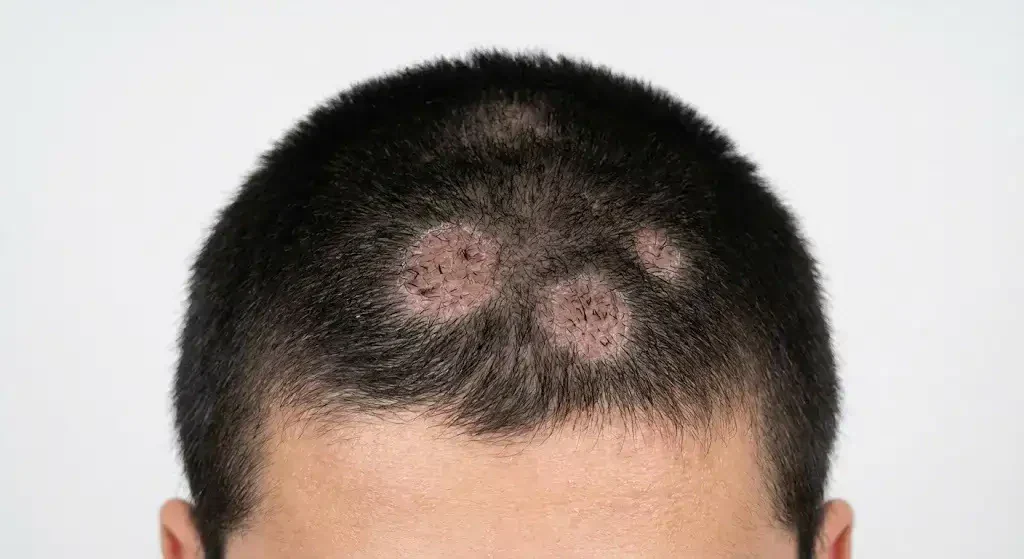
Scalp health plays an important role in maintaining strong and healthy hair. However, certain infections can affect the scalp and lead to discomfort, hair damage and other complications if left untreated. One common fungal infection that affects the scalp is Tinea Capitis. This condition is more common in children but it can also occur in adults.
Recognizing the early signs is important because prompt treatment can prevent the infection from spreading and causing more severe symptoms. Understanding the warning signs and learning how to avoid this condition can help protect both scalp and hair health.
What Is Tinea Capitis?
Tinea Capitis is a fungal infection that affects the scalp and hair shafts. It is caused by dermatophyte fungi, which thrive in warm and moist environments. The infection can spread through direct contact with infected individuals, contaminated objects, or infected animals.
Because the infection develops gradually, many people overlook the early symptoms. Identifying these signs early can make Tinea Capitis treatment easier and reduce the risk of complications.
Early Signs You Should Not Ignore
Persistent Scalp Itching
One of the first symptoms is persistent itching on the scalp. Many people mistake this symptom for dry skin or dandruff. However when itching continues despite regular hair washing and scalp care, it may indicate a fungal infection.
Frequent scratching can also irritate the skin and increase discomfort.
Small Scaly Patches
Another common early sign is the appearance of small scaly patches on the scalp. These patches may look similar to dandruff but often remain concentrated in specific areas.
The skin may appear dry, flaky or slightly red. Over time these patches can expand if the infection is not treated.
Hair Breakage
Hair breakage near the scalp is a warning sign that should not be ignored. The fungus weakens the hair shaft, causing hair to break easily.
As a result, affected areas may appear uneven or have short broken hairs that look different from the surrounding hair.
Circular Bald Spots
As the infection progresses, small circular bald patches may develop. These areas often become more noticeable because the hair falls out or breaks off close to the scalp.
The bald spots may gradually increase in size if treatment is delayed.
Redness and Mild Inflammation
Early infection can cause redness and irritation on the scalp. The affected skin may become sensitive and uncomfortable.
Some individuals also notice slight swelling around infected areas.
Tenderness on the Scalp
The scalp may feel tender when touched. This discomfort often occurs due to inflammation caused by the fungal infection.
Tenderness combined with itching and scaling should not be ignored.
Swollen Lymph Nodes
In some cases, the body’s immune system responds to the infection by causing lymph nodes near the neck to become swollen.
Although this symptom is less common it can indicate that the infection is becoming more active.
Identifying Symptoms Early
Early detection helps prevent the infection from spreading to larger areas of the scalp. Timely treatment can reduce hair loss, minimize discomfort and improve recovery outcomes.
Ignoring symptoms may allow the infection to worsen leading to larger bald patches and more significant scalp inflammation.
How to Avoid Scalp Fungal Infections
Maintain Good Scalp Hygiene
Keeping the scalp clean is one of the best ways to reduce the risk of infection. Wash hair regularly using suitable hair care products and avoid allowing sweat and dirt to accumulate on the scalp.
Avoid Sharing Personal Items
Fungal infections can spread through shared personal belongings. Avoid sharing:
- Combs
- Hair brushes
- Towels
- Hats
- Pillowcases
Key point to know:Using personal items separately reduces the risk of transmission.
Keep Hair Care Tools Clean
Regularly clean combs, brushes and hair accessories. Proper cleaning removes fungi and other microorganisms that may remain on these surfaces.
Be Cautious Around Infected Individuals
Direct contact with infected individuals can spread the infection. If someone in the household has a scalp fungal infection, encourage proper treatment and avoid sharing personal items.
Monitor Pets for Skin Problems
Certain animals can carry fungal infections and transmit them to humans. Check pets regularly for hair loss, skin irritation, or unusual patches.
Seek veterinary care if signs of infection appear.
Strengthen Overall Health
A healthy immune system helps the body defend against infections. Eating a balanced diet, staying hydrated, exercising regularly and getting enough sleep can support overall health.
Seek Medical Advice Early
If you notice unusual scalp symptoms consult a healthcare professional promptly. Early evaluation can help identify the cause and prevent complications.
Wrap up
Tinea Capitis is a fungal scalp infection that can begin with mild symptoms such as itching, scaling, redness, and hair breakage. These early signs are often mistaken for common scalp conditions, which can delay treatment. Recognizing symptoms early allows for faster management and helps prevent further spread of the infection. Good scalp hygiene and avoiding shared personal items, keeping hair tools clean and monitoring close contacts and pets can significantly reduce the risk. Understanding these warning signs is essential for maintaining healthy hair and scalp health.
Frequently Asked Questions
1. What is Tinea Capitis?
It is a fungal infection that affects the scalp and hair, often causing itching, scaling and hair loss.
2. What are the earliest signs of this condition?
Early signs include scalp itching, scaly patches, redness, hair breakage and small bald spots.
3. Can it be prevented?
Yes. Good hygiene, avoiding shared personal items and keeping hair care tools clean can help reduce the risk.
4. Is it contagious?
Yes. The infection can spread through direct contact with infected people, animals or contaminated objects.
5. When should I see a doctor?
You should seek medical advice if you notice persistent scalp itching, hair loss, scaling or unusual scalp irritation.