
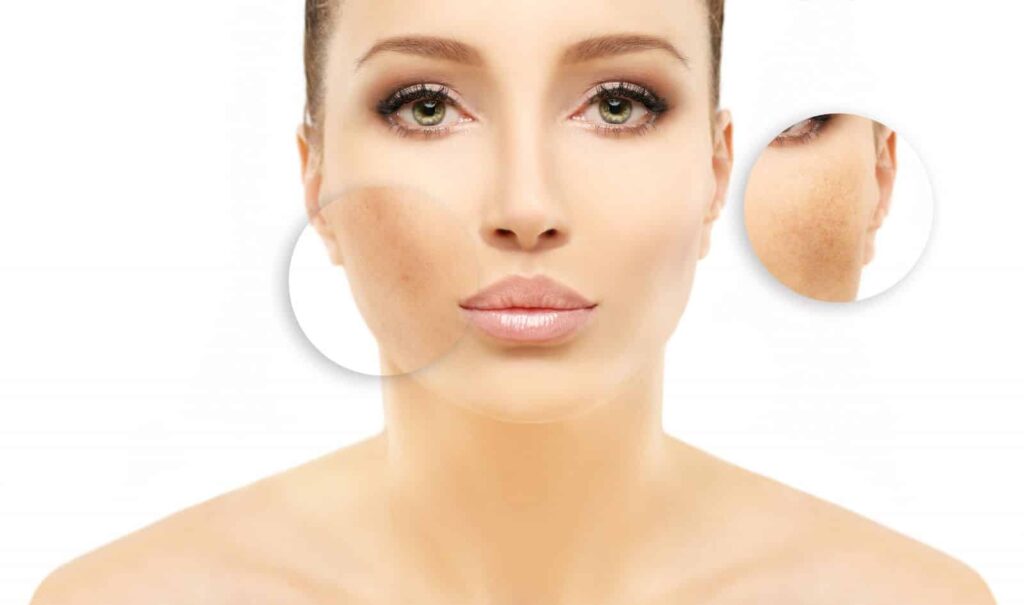
Skin discoloration is a common concern that affects many people, especially in warm and humid climates. One of the most frequent causes of uneven skin tone is a condition called Tinea Versicolor. It leads to white patches, dark patches, or uneven skin color on the body, especially on the chest, back, neck and arms. Although it is not dangerous it can affect appearance and confidence.
This article explains why these patches appear, how they develop and what treatment options can help restore even skin tone.
What Happens in Skin Discoloration?
Tinea Versicolor occurs when a natural yeast on the skin grows out of control. This yeast affects the normal pigmentation process of the skin. As a result some areas become lighter or darker than the surrounding skin.
It usually appears in areas where:
- Sweat production is high
- Skin is oily
- Humidity levels are increased
- Clothing traps heat and moisture
The condition spreads slowly and becomes more visible over time.
Common Appearance of White and Dark Patches
It affects skin color in different ways depending on the person and skin type.
White Patches
- Appear lighter than normal skin
- Become more visible after sun exposure
- Common on chest, shoulders, and back
Dark Patches
- Appear brown or slightly darker than skin tone
- Often mistaken for tanning or pigmentation
- May increase gradually
Both types of patches usually appear uneven and irregular in shape.
Main Causes of Tinea Versicolor
Several factors contribute to the development of this skin condition:
- Hot and humid weather
- Excessive sweating
- Oily skin condition
- Weak skin barrier
- Hormonal changes
- Fungal overgrowth on skin
Key point to know:The yeast responsible for this condition is naturally present on the skin, but environmental conditions allow it to grow excessively.
Symptoms You Should Notice
Early identification helps in better treatment results. Common symptoms of Tinea Versicolor include:
- Uneven skin tone
- Light or dark patches
- Mild itching (in some cases)
- Patchy skin appearance
- Flaky or dry skin in affected areas
These symptoms may become more visible during summer.
Areas Commonly Affected
| Body Area | Condition Visibility |
| Chest | High occurrence |
| Back | Very common |
| Neck | Moderate visibility |
| Arms | Mild to moderate patches |
| Shoulders | Frequently affected |
How it Affects Skin Appearance
The condition does not damage the skin permanently, but it changes how the skin produces pigment. This leads to visible contrast between affected and normal areas.
Over time, patches may become more noticeable due to:
- Sun exposure difference
- Uneven melanin production
- Delayed treatment
Diagnosis of Skin Patches
Doctors usually diagnose this condition through a simple skin examination. In some cases, they may use a special light or skin scraping test to confirm fungal involvement.
Early diagnosis helps prevent further spread and discoloration.
Treatment Options for Tinea Versicolor
Treatment focuses on controlling fungal growth and restoring normal skin color. Different options are used depending on severity.
1. Topical Treatments
- Antifungal creams
- Medicated lotions
- Anti-yeast shampoos (used on body)
These are applied directly to affected areas and help reduce fungal activity.
2. Oral Medications
In moderate to severe cases, doctors may prescribe:
- Antifungal tablets
These work from inside the body to control infection.
3. Medicated Cleansing
- Special body washes
- Anti-fungal soaps
- Regular skin cleansing routines
4. Lifestyle Care
- Wear breathable clothing
- Avoid excessive sweating
- Keep skin dry and clean
- Shower after sweating
Skin Recovery and Results
Even after treatment skin color may take time to normalize. The fungus may be controlled quickly but pigmentation recovery can take weeks.
Regular care improves results and helps prevent recurrence.
Prevention Tips
To reduce the risk of Versicolor:
- Maintain proper hygiene
- Avoid oily skincare products on body
- Use anti-fungal body wash if prone
- Stay in cool environments when possible
- Wear loose cotton clothing
Signs You Need Medical Attention
You should consult a dermatologist if:
- Patches are spreading quickly
- Skin color is changing continuously
- Over-the-counter creams are not working
- Itching or irritation increases
Early treatment ensures faster recovery and better skin appearance.
Wrap up
Tinea Versicolor is a common skin condition that causes white and dark patches on the skin due to fungal overgrowth. It affects skin pigmentation but does not cause permanent damage. With proper antifungal treatment, skin care and hygiene practices the condition can be controlled effectively. Early diagnosis and consistent treatment help restore even skin tone and improve skin appearance.
Frequently Asked Questions
Q1: Is Tinea Versicolor dangerous?
No it is not dangerous but it affects skin appearance.
Q2: Why do white patches appear on skin?
They appear due to fungal interference with skin pigmentation.
Q3: Can it spread?
Yes. It can spread slowly in warm and humid conditions.
Q4: How long does treatment take?
Treatment may take a few weeks depending on severity.
Q5: Can it come back again?
Yes. It can recur if skin care and hygiene are not maintained.